







While stunning visuals and breathtaking performances light up the stage at Tuacahn Amphitheatre, there’s another magical element working quietly behind the scenes — the live orchestra.
This season, each Broadway production features a rich live score played by a talented group of musicians: 16 for Disney’s The Little Mermaid, 15 for The Wizard of Oz, and 12 for Newsies (not including the conductor). At a time when many theaters are cutting live orchestras in favor of recorded tracks, Tuacahn stands out for its unwavering commitment to live music. In fact, we’re proud to be adding musicians to our pit, enhancing the sound and deepening the emotional resonance of every performance.
A Symphony of Instruments
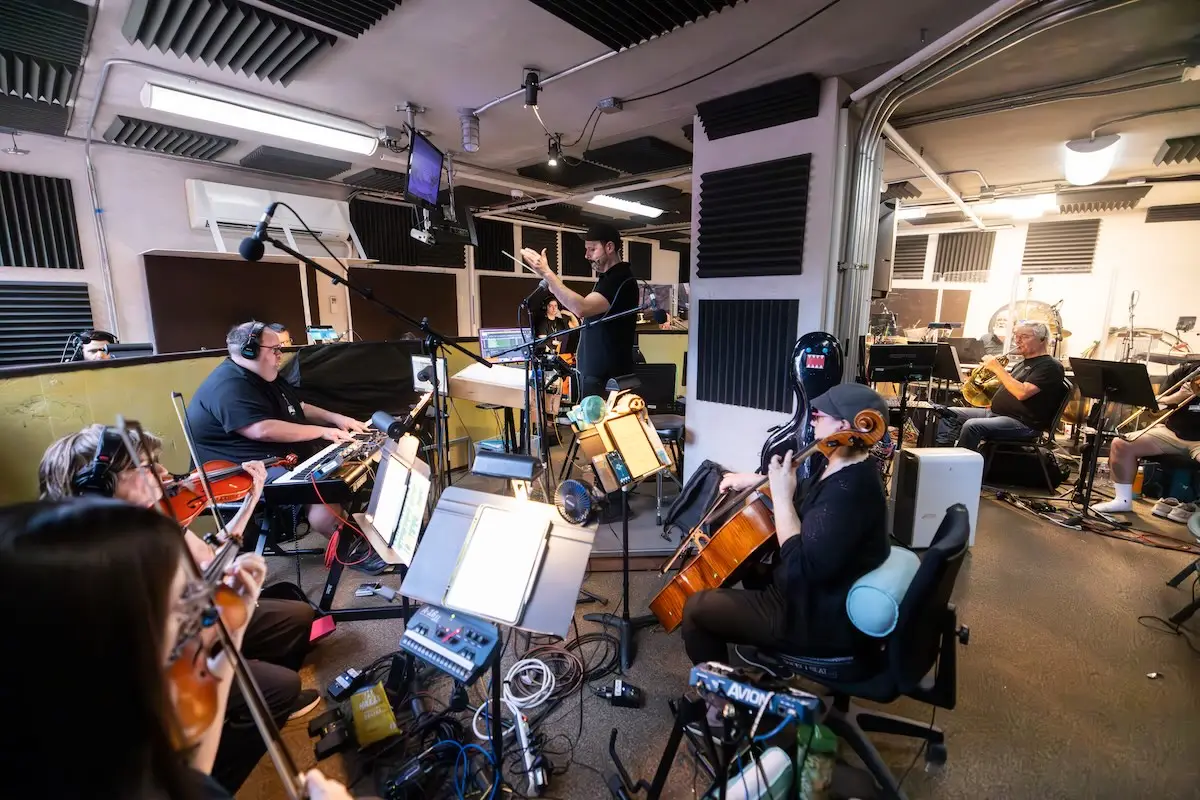
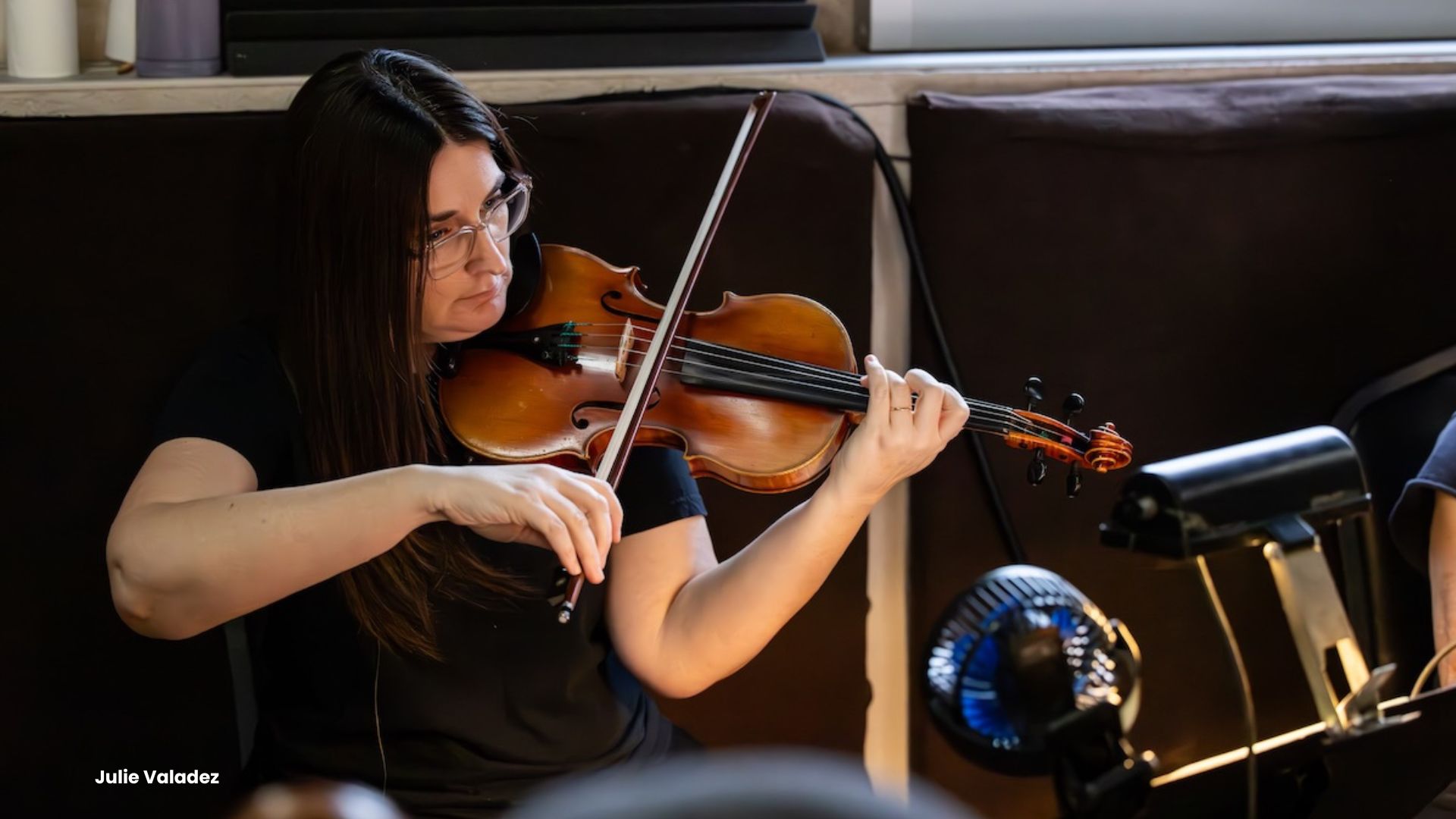
Tuacahn’s orchestra includes a diverse array of instruments, with each section playing a vital role in the overall sound. Reed players, who often switch between instruments mid-show, may play anything from flute, oboe, and clarinet to bass clarinet, saxophone, and even the eerie Aztec Death Whistle. Brass instruments include trumpets, flugelhorn, French horn, trombones, and more. The string section features violins, cello, bass, and electric bass. There’s also a wide range of percussion instruments — from timpani and mallets to cymbals, chimes, and even random metal objects — as well as acoustic and electric guitars, keyboards, and specialty instruments like a harp keyboard used in The Wizard of Oz.
Precision in Every Note
Rehearsals for each production are fast-paced and laser-focused. The orchestra typically has just three dedicated rehearsals before joining the cast for the Wandelprobe and dress rehearsals. Within about a week, they go from first note to opening night — a testament to the experience, dedication, and professionalism of Tuacahn’s musicians and music directors.
Musicians from Near and Far
This year’s orchestra includes musicians from as far away as New York City, Michigan, and Missouri. Some originally came from states like California and Pennsylvania but fell in love with southern Utah and now call St. George home. Many are professors at Utah Tech University or work other arts-related jobs during the day before taking their place in the pit each night.
Behind the Scenes in “The Bunker”
Tuacahn’s orchestra performs from a specially designed remote pit affectionately called “The Bunker.” Tucked beneath the overflow seating, it’s air-conditioned and protected from the elements — a major advantage when working with sensitive instruments. Musicians rely on headphones and video monitors to stay in sync with the conductor, cast, and special effects, even though they rarely see what’s happening onstage.
More Than Music — It’s a Family
What truly sets Tuacahn’s orchestra apart is the camaraderie. Most players return year after year, forming a close-knit community that thrives on the joy of making music together. And although many audience members don’t realize it at first, the orchestra’s presence is felt in every sweeping melody and every thrilling underscore.
“We often hear patrons say they thought the music was pre-recorded,” says Tracie Price, Tuacahn’s Music Coordinator. “They’re shocked to learn we’re playing live — and even more amazed that there are only 12 to 16 of us down there.”
If you’re visiting Tuacahn this season, take a moment before the show or during intermission to peer through the pit window and catch a glimpse of the musicians in action. Just don’t step into backstage areas — we like to keep a bit of the magic behind the curtain!
In a world where many theaters are moving away from live music, Tuacahn’s commitment to its orchestra is something to be celebrated. After all, musical theater is nothing without the music.